
Annual Conference
A yearly gathering of researchers, industry representatives, and stakeholders focused on small fruits, grapes, and speciality crops research across the Pacific Northwest — sharing findings, aligning priorities, and strengthening the connections that keep applied research relevant.
The conference is where the year's research meets the industry it was built to serve.
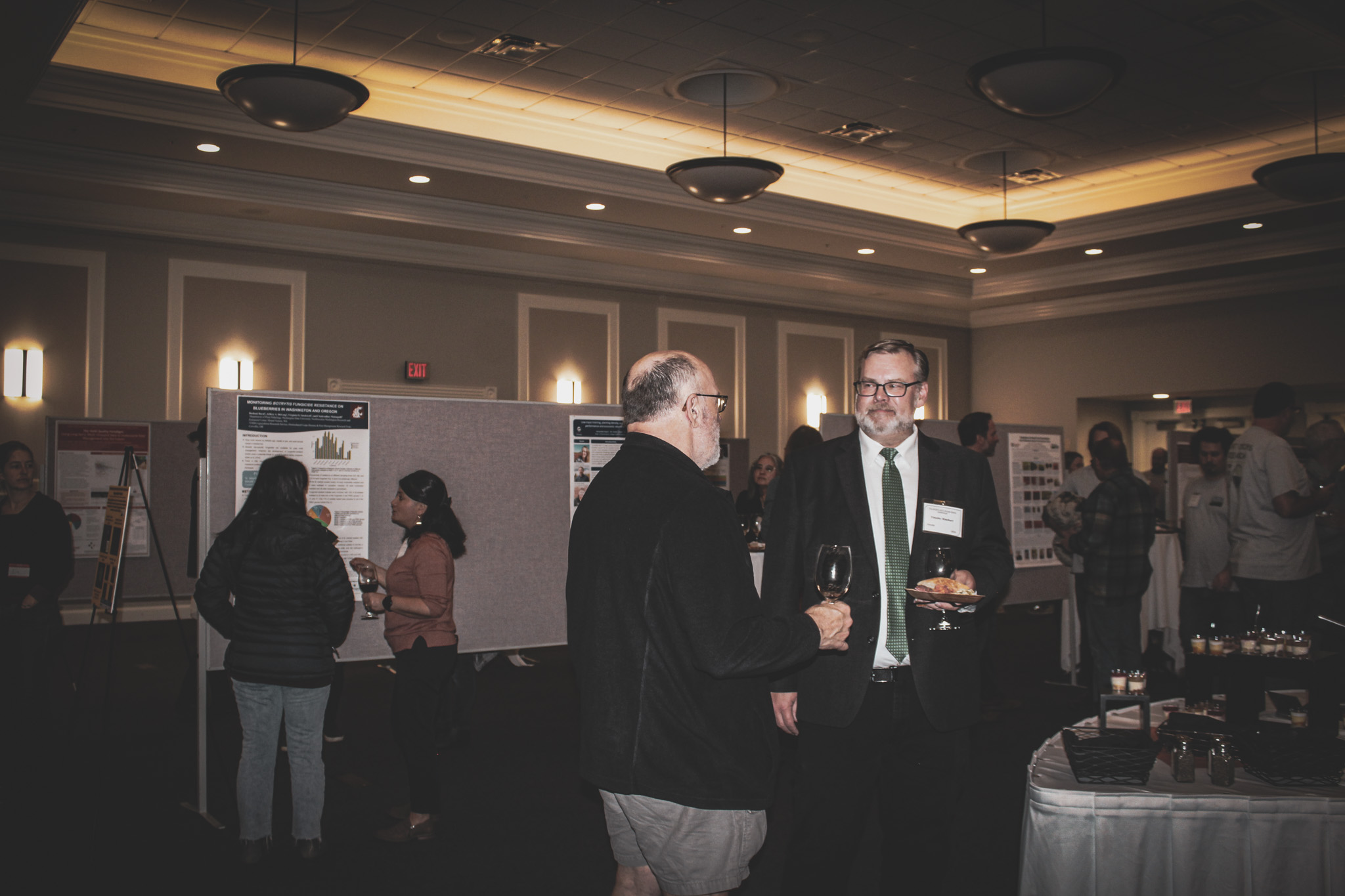
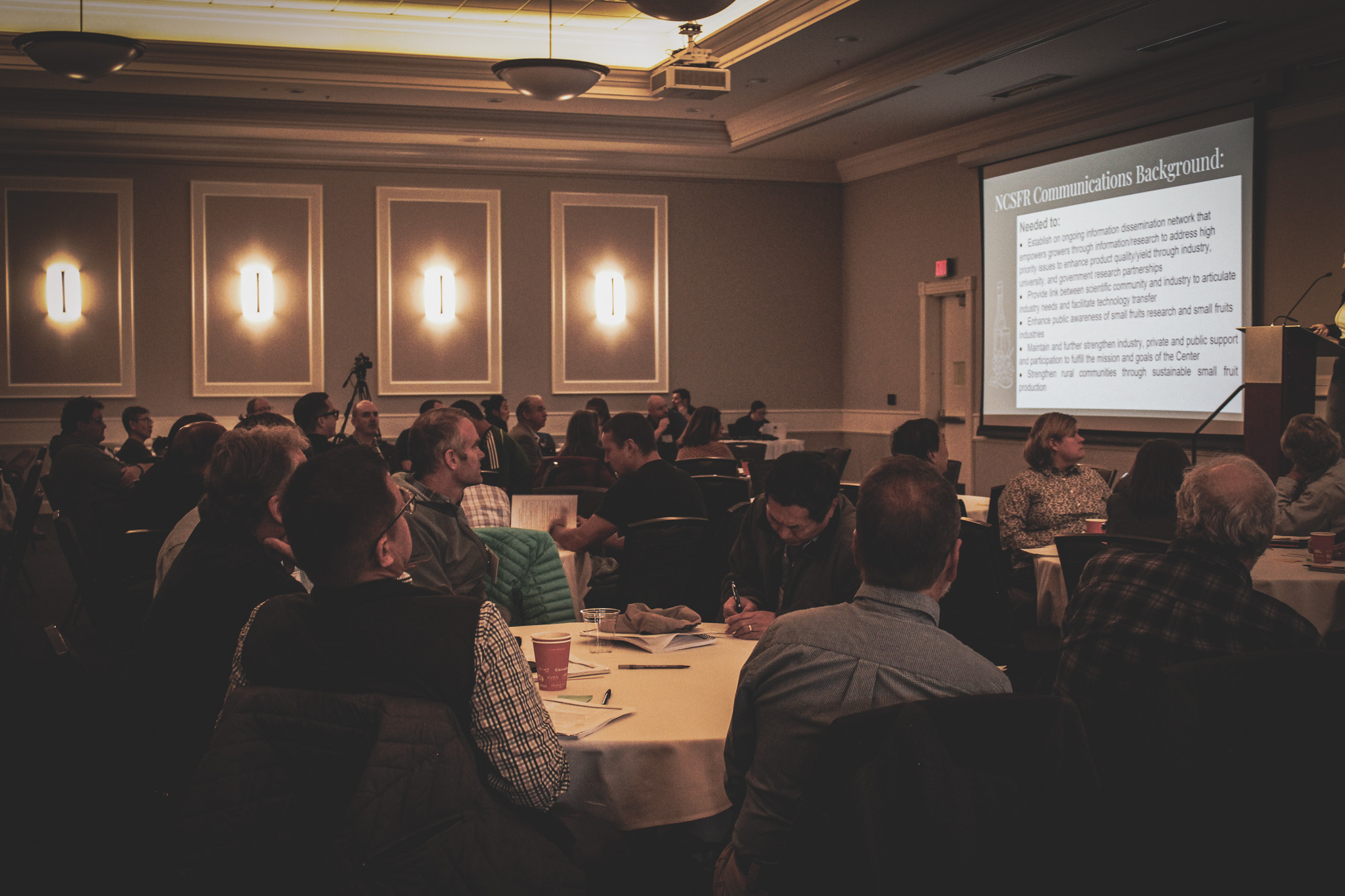
Each year, the NCSFR Annual Conference provides a structured public forum for sharing research findings, discussing priorities, and connecting the people who fund, conduct, and depend on small fruits, grapes, and speciality crops research. It is not a logistics-first event — it is the central moment in NCSFR's annual research cycle.
Conference Resources
Once you understand what the conference is and what to expect, find what you need below — from registration to past materials.
Why the Conference Matters
The conference connects research, funding, and industry in one place — ensuring that applied research remains relevant, visible, and impactful across the Pacific Northwest.
In addition to this, the annual conference plus other local meetings and project library build visibility for your work within a focused regional community.
Committee Meetings and Stakeholder Input
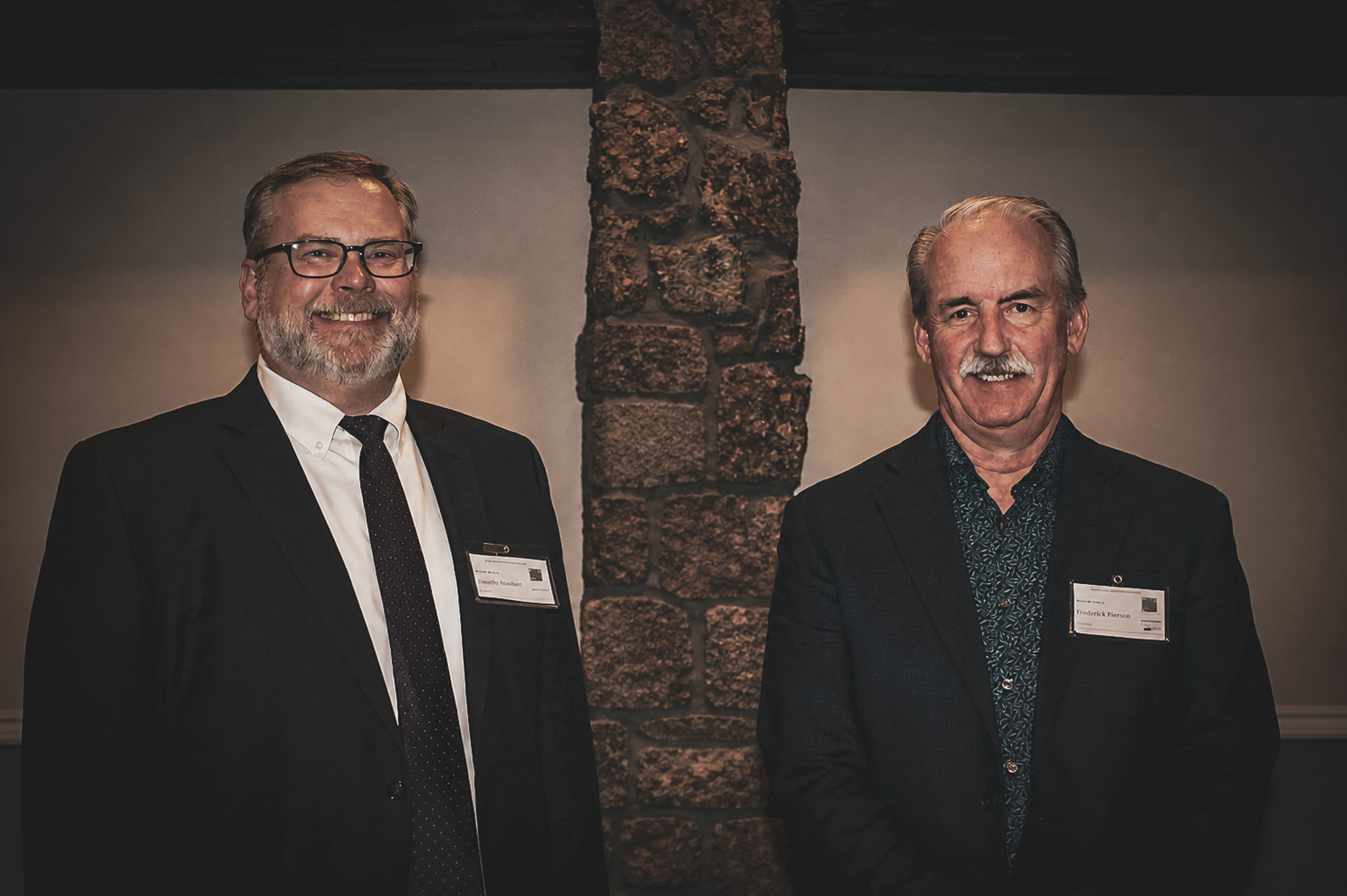
NCSFR committees play an important role in guiding research priorities, supporting stakeholder discussion, and connecting industry and research perspectives. Because committee meetings and stakeholder conversations are closely tied to the annual conference, visitors should be able to learn how each committee contributes to the broader NCSFR process.
Learn About NCSFR CommitteesWhat to Expect
Every conference follows a consistent structure — giving attendees clear value whether they are joining for the first time or returning as regulars.
Research Presentations
NCSFR-funded researchers present the outcomes of their current projects. Presentations are structured to be accessible to growers and industry professionals — translating technical findings into practical language relevant to the people doing the work on the ground.
Research Priority Discussion
Each conference includes structured conversation about research priorities — the challenges and questions the small fruits, grapes, and speciality crops industry most needs answered. These discussions directly inform what NCSFR considers for future funding support.
Updates on Funded Work
Project investigators share progress updates on ongoing NCSFR-supported research — providing transparency on how funding is being used and what outcomes are being generated across the research portfolio.
Industry & Stakeholder Input
Growers, industry organizations, and regional partners have structured opportunities to contribute to the conversation — sharing production challenges, responding to research findings, and helping shape the direction of future work.
Forward Planning Conversations
The conference includes forward-looking discussion on research needs, program direction, and priority-setting for the coming cycle — connecting the findings of this year's work to the decisions that will shape next year's.
Networking & Collegial Exchange
With researchers, growers, agency participants, and industry partners in one place, the conference creates natural opportunities for collaboration, informal exchange, and building the regional relationships that sustain applied research over time.
Public Meetings During the Conference
The NCSFR Annual Conference includes several formal meetings that are part of the program's annual public process. These are open, public meetings — not private or government-only sessions. All conference attendees are welcome to observe and participate in these meetings. They are incorporated into the conference program to support transparency, shared understanding, and coordinated planning across the groups that make up the NCSFR community.
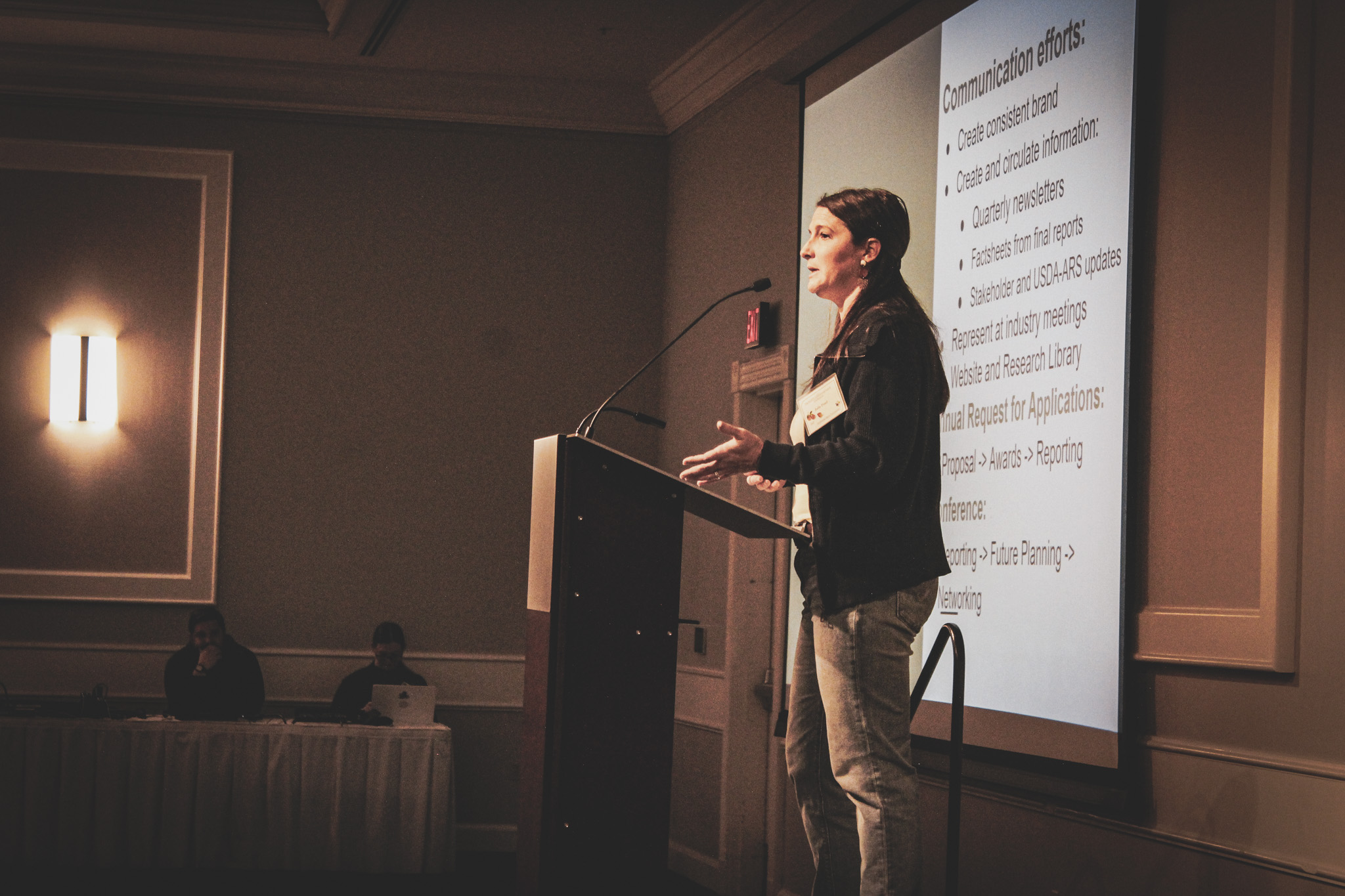
The Stakeholder Meeting brings together growers, industry representatives, and other interested parties to discuss the current state of small fruits, grapes, and speciality crops production, identify research challenges, and provide input on priorities. This meeting is a primary venue for industry voice in the NCSFR process and is open to all conference participants.
The Liaison Committee Meeting connects the work of NCSFR with participating institutions and regional representatives. It provides a structured forum for coordination, updates on program activities, and discussion of shared responsibilities across the groups involved in supporting and delivering the research program.
The Coordinating Committee Meeting addresses program governance, research priority alignment, and planning for the upcoming funding cycle. It is an important part of the annual process for ensuring that NCSFR's direction reflects both research capacity and the priorities identified by industry and stakeholder participants.
From Research to Application
The annual conference is not a standalone event — it is one moment in a continuous cycle. Understanding where it sits in the broader NCSFR process explains why the conversations that happen there carry weight, and what they connect to before and after.
Who Attends
The conference is designed to be accessible and useful to everyone connected to small fruits, grapes, and speciality crops research in the Pacific Northwest — not a closed professional event.