NCSFR Winter 2026 Update
Research, Funding, and Industry Alignment Across the Pacific Northwest
A Year of Change in Research Funding
Now that another year has ended, it is time to reflect. Overall, it was a year of significant changes. Many processes have evolved and are likely to stay.
Despite these changes, more than $1.2 million was committed to support the remaining years of existing NCSFR projects. The Plant Improvement Initiative was also funded for two years. However, this meant that no new projects were funded during this cycle.
Funding multiple years at once has repositioned how the Center supports projects moving forward. Beginning this year, all projects will be funded for their full duration — eliminating annual renewals — with funding starting September 1 and continuing through December 31 of the final project year.
This shift reflects a broader effort to reduce administrative workload while creating a more stable structure for long-term research.
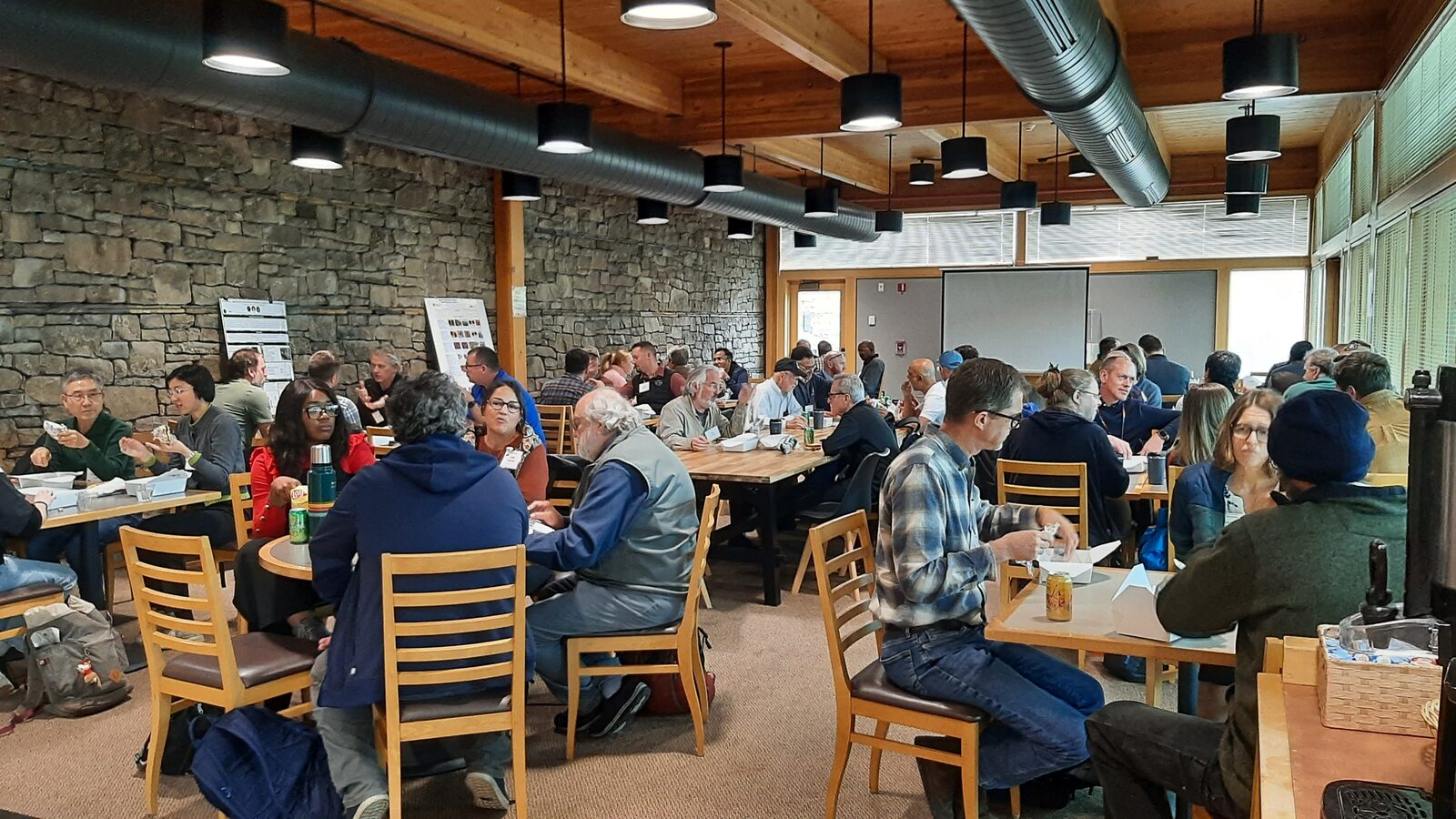
Beginning this year, all projects will be funded for their full duration — eliminating annual renewals and creating a more stable structure for long-term research.
Research Positions & System Transitions
Looking ahead, several research positions are expected to be filled across ARS units. Priorities include hiring a plant virologist, food scientist, viticulturist, precision agricultural engineer, and weed scientist, along with securing permanent research leadership positions in each unit.
The development of a new proposal management system — the Ag Research Information Educational Library — marks a shift in how research submissions and workflows are handled. The system was developed to address limitations in the previous process and will expand in capability with the upcoming 1.0 release.
Open Priority Positions
- Plant Virologist
- Food Scientist (Corvallis)
- Viticulturist (Corvallis)
- Precision Agricultural Engineer (Prosser)
- Weed Scientist (Prosser)
- Permanent Research Leaders (×2)
In recognition of those who retired:
Jungmin Lee · Jessie Mitchell · Suean Ott · Inga Zasada
Each played an integral role at the USDA Horticultural Crops Research Laboratory.
Strong Proposal Engagement & Review in Progress
The first couple of months of 2026 have already seen strong engagement from the research community, with 30 new proposals submitted through the updated project portal. These submissions reflect both adaptation to new requirements and continued alignment with regional research priorities.
The review process is currently underway, involving both out-of-region academic reviewers and in-region industry reviewers. Mid-year announcements on new project awardees are expected following this evaluation period.
Alongside proposal activity, continued collaboration between ongoing projects and local stakeholders highlights the role of partnerships within the NCSFR system.
NCSFR Announcements
2026 Annual Conference
Nov 16–18, 2026
The Discovery Center, The Dalles, Oregon
Scheduled earlier than usual since 2021 to better align with industry meetings and funding opportunity timelines.
Conference DetailsAnnual Survey
Deadline: April 1, 2026
Complete the annual survey by April 1, 2026 for a chance to win a gift card. Your feedback shapes research priorities for the coming cycle.
2025 Funding Recap
The past year's funding reflects how resources are distributed across crops, institutions, and program types.
Funding by Crop
Funding by Institution
Program Funding
PII funded for two years (OSU and WSU). No new competitive projects awarded this cycle.
Proposals Funded
Y1 = total proposals requested. Y2 and Y3 reflect projects funded into subsequent years.
Latest Fact Sheets
Recent outputs highlight the range of applied research being conducted across the Pacific Northwest.
Impact of primocane management and plant spacing on planting performance and economic returns of 'Columbia Star' blackberry
View Fact SheetDevelopment of advanced package for ensuring post-harvest storability of soft strawberry cultivars grown in the Northwest region
View Fact SheetOptimizing water use for winegrapes with sensor-controlled subsurface irrigation
View Fact Sheet


